Puppy and Training Basics
Are Dog Parks Good for Dogs
Decide if dog parks suit your dog by reading body language and play styles, and manage greetings, high arousal, resource guarding and safe exits.
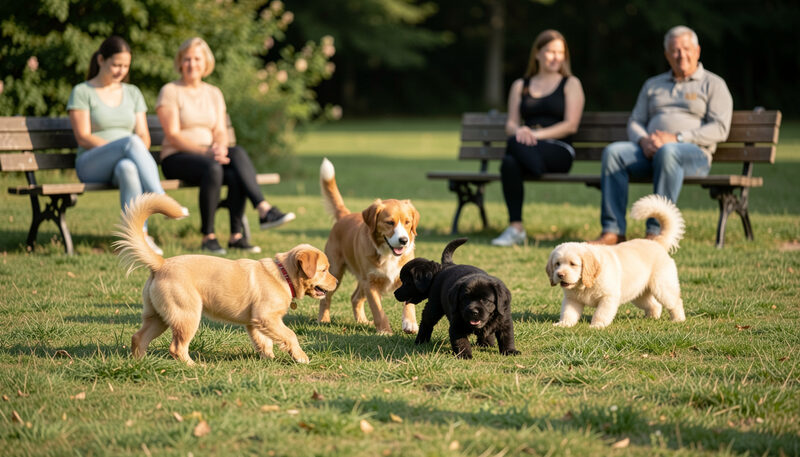
An off-leash park can give your dog room to run, sniff and learn how to be around other dogs, and it can give you fresh air and practice handling your dog around distractions. You will learn how to judge readiness, what to check before you leave home and how to read play so you can leave while the outing is still positive.
What a good park session gives you and your dog
When it works, an off-leash area lets dogs use their legs and their noses in the same outing. They can stretch out, practice coming back to you from a distance, meet steady dogs and spend time outside with you. People get exercise too, plus a chance to watch how their dog moves and plays when the lead is off. That shared time can support training and play in a way a footpath walk does not, because the dog has space to choose, pause and rejoin. The value depends on the mix of dogs present, the layout and how closely you watch.
Is an off-leash park right for your dog right now?
The question is less about the park and more about recall and social skills on that day. You need confidence that your dog will come to you when called, even with other dogs moving nearby, and that your dog can meet unfamiliar dogs without tipping into fear or aggression. Most dogs build those skills over time through early socialization, reward-based classes, steady reward-based practice at home, daily walks and time in settings such as day care. If recall falls apart around distractions or greetings often look tense, skip the park gate for now and keep practicing in quieter places.
Training that helps recall hold around other dogs
Reliable recall around movement starts long before you unclip. Short, upbeat practice with food rewards teaches your dog that turning toward you pays, and basic training commands give you a shared language for sit, stay and come. Classes that use rewards help you handle greetings, exits and close passes without pulling or shouting. Daily walks keep the habit fresh and take the edge off, while a well-run dog day care can add calm time around other dogs for some dogs. You are looking for a pattern you can trust: your dog notices you, checks in and can disengage from another dog when asked.
Health and ID checks before you load the car
Park readiness is also paperwork and preventive care. Your dog should be microchipped, tagged, registered, fully vaccinated, wormed and treated for external parasites, and desexed before mixing in an off-leash crowd. Dogs that have not been desexed can create avoidable trouble, with females harassed by males, fights breaking out and unplanned mating. If your dog seems unwell, with low energy, cough, vomiting, diarrhea or a sore spot that changes how they move, stay home and get advice from a veterinarian before you consider a park visit.
Desexing lowers sexual motivation in a crowd of off-lead dogs, but it does not remove every sign of arousal. A desexed male can still mount, or show an erection when the excitement of the park gets to him, and the guide to erections in desexed and entire male dogs explains which signs are normal and which need a vet.
How do you read play without hovering?
Good supervision looks relaxed but it never drifts. Keep your dog where you can see them the whole time and watch the exchanges with people and dogs as they unfold. Loose bodies, turn-taking and brief pauses usually mean play is comfortable, while cowering, hiding, running away, a tucked tail or snapping can mean your dog feels stressed and needs space. The RSPCA Knowledgebase sets out its off-leash park guidance for owners who want to compare notes before a first visit. If you see stress signals, create distance early rather than waiting to see if things settle on their own.
Heat, water and knowing when to call it a day
Temperature shapes behavior more than many owners expect. Plan your visits for cooler parts of the day, bring enough fresh water for your dog and use shade for rests between bursts of play. Watch for heavy panting that does not ease, glazed eyes, stumbling or a dog that will not drink, since those signs point toward heat stress. When play hardens, when your dog keeps trying to hide or when the group gets rowdy, end the session calmly, clip the leash back on without a chase and give your dog quiet time to recover.
Scoping the park before you unclip
Injuries to people and dogs at off-leash areas, from fights to dogs hit by cars, are thought to be rare, but the risk is real enough to scan first. Stand outside the fence for a few minutes and watch the flow, the number of dogs, the tone of play and where the gates meet the road. Choose a quieter window when you can, keep dogs and children under active watch at all times and keep your dog on lead or steer clear of hazards such as roads and parking areas. Only bring the number of dogs you can safely manage if two things happen at once.
Fences, gates and quiet corners that suit different dogs
Layout can make or break an outing. Look for a place that fits your dog, with open ground to run, some agility equipment if your dog enjoys it and quieter spots to rest away from the main rush. Secure fencing matters, especially for dogs that wander, and several entry and exit points help prevent dogs bunching up at a single gate. Water points and shade should be easy to reach, so you can reset with a drink and a pause without crossing through a tight pack of dogs.
A first visit plan that keeps it short and calm
Treat the first trip as a test, not a workout. Arrive when the park is quiet, walk the fence line on lead and watch how your dog responds to sound and movement through the fence. Enter only if the mood looks easy, keep the first stay brief and reward check-ins and recalls generously. For your next outing, repeat the same scan, pick a cooler hour and park near a second gate so you can step out for a reset and reenter only if your dog stays loose and willing.