Breed Profiles
Australian Kelpie
Meet the Australian kelpie, a smart herding worker that needs daily runs, jobs and calm training, plus tips on coat, health signs and home routines.
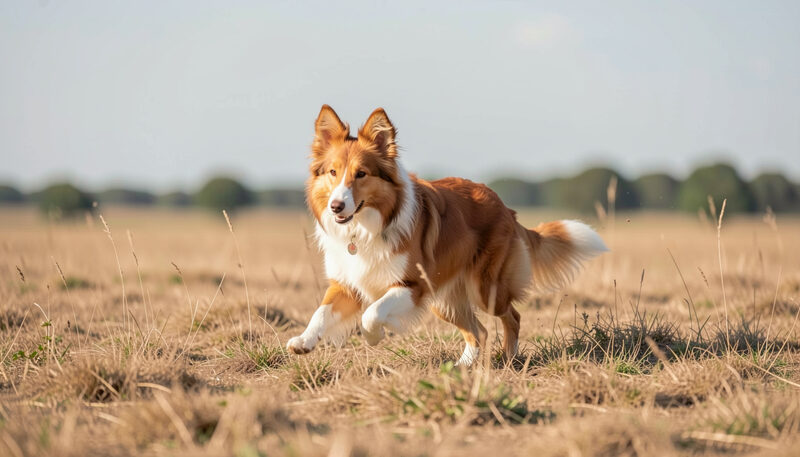
You bring home an Australian kelpie and you feel the difference in the first week. The dog watches every movement in the yard, learns the sound of the gate, and looks for a job to do between meals. This guide explains how that drive shows up in daily life, how to shape exercise and family routines around it, and which training ideas help at each stage.
What does drive look like in a home kelpie?
Drive in this type of dog often looks like attention that never rests. You pour coffee and the dog tracks your hand. You pick up shoes and the dog moves to the door. You turn toward the yard and the dog is already there. That readiness can suit an active household, yet it can also fill quiet hours with pacing, circling, or staring if the day has no clear pattern. You can help by giving the day a shape that repeats. Feed at set times, walk at set times, train in short sessions, and leave rest periods where nothing is asked. A predictable rhythm lowers pressure on you and on the dog.
How much movement does a dog need each day?
A kelpie living as a companion still carries working energy. You will see it in the morning when a short walk around the block leaves the dog bright and ready for more. Most owners answer that energy with a mix of walking, running, play, and thinking tasks rather than one long run. You might walk in the morning, practice recalls or stays at midday, and add sniff time in the evening. The Dogs Trust advice page does not publish kelpie exercise minutes. You can adjust the mix by watching recovery. A dog that settles after activity, eats normally, and sleeps through the night has a workable routine.
Training that builds a bond without pressure
Training for this breed works when it stays short, clear, and frequent. Think of two or three sessions of five minutes rather than one long lesson. You ask for one action, you mark it, you reward it, and you stop while the dog still wants more. Dogs Trust frames training as a way to build a lifelong bond, and that idea fits the kelpie because the dog pays close attention to timing and tone. If you keep cues the same and reward calm choices, the dog learns to check with you before acting. For a starting set of cues you can use Ten Basic Dog Training Commands Owners Can Teach and practice one cue at a time on lead in a quiet yard.
How can you read your dog's view of the world?
A kelpie reads motion the way other dogs read scent. A child running, a ball rolling, a bike passing, or stock moving in the distance can all switch the dog into pursuit or circling. Dogs Trust invites owners to understand the dog's view of the world, which means you watch what your dog notices before you judge the response. Notice ear position, body tension, and the moment the stare locks. When you see that moment early, you can call the dog back, change direction, or ask for a known cue. Over time you learn the triggers in your street and you can plan wider paths, calmer hours, and clearer greetings.
Barking, jumping and other noisy habits
Barking, jumping up at people, and toileting inside the house are among the topics covered in help and advice on dogs published by Dogs Trust, with separate guides for each behavior. In a kelpie home these habits often link to arousal rather than disobedience. The doorbell rings and the dog barks and leaps. Visitors arrive and the dog jumps to reach faces. You can lower the heat by managing the setup first. Put the dog behind a baby gate with a chew before guests enter, ask visitors to stand still and turn slightly aside, and reward four paws on the floor. Short, calm rehearsals teach more than long corrections.
Toilet routine and alone time
House training runs on schedule, access, and supervision. You take the pup out after sleep, after play, after meals, and every hour or two through the day, then you stay out long enough for the job to happen and you reward quietly outside. Dogs Trust lists toileting in the house as a distinct help topic, which reminds you to treat accidents as a signal to adjust the plan rather than as a fault. For a step-by-step timetable you can follow How to Toilet Train a Puppy With a Simple Schedule and keep the same door, the same spot, and the same words. Alone time needs the same gradual shape, starting with seconds behind a door and building toward an hour with a settled chew.
Life with your dog around family and visitors
Life with a kelpie asks for rules that every person in the house can keep. Dogs Trust groups part of its help under life with your dog, with the aim that daily life stays positive for people and dogs together. You can apply that idea by writing down three house rules and teaching them to guests as well. Dogs rest on mats during meals, dogs sit before the lead goes on, and dogs greet from the floor without jumping. Children learn to avoid chasing games inside, to trade toys rather than pull them from mouths, and to give the dog space during meals and sleep. When play with other dogs is on the plan, read Are Dog Parks Good for Dogs and How to Judge Play before you enter the gate.
Reactive moments and separation strain
Some kelpies react strongly on lead when they cannot reach what moves. Lunging, barking, or spinning can look dramatic, yet Dogs Trust treats reactive behavior as a topic in its own right with attention to why it happens and how to help. You can start by adding distance, because distance lowers intensity faster than any cue. Cross the street, step behind a car, or turn into a side path, then ask for a simple behavior the dog knows well. Separation strain shows in a different way, through vocalizing, chewing at doors, or toileting when left. Short absences with a food toy, a calm return without fuss, and a slow increase in time away build confidence better than long tests.
Health, heat and everyday wellbeing
Everyday care covers food, coat, teeth, nails, parasites, and rest, and Dogs Trust places those subjects under health and wellbeing for a healthy and happy dog. The kelpie coat is short and practical, yet it still sheds and picks up grass seeds after field runs, so a weekly brush and a check of ears and feet after walks fit the routine. Heat needs active planning in Australia. Walk early, carry water, choose shade, and watch for heavy panting or slowing down. Dogs Trust includes caring during hot weather as a separate guide, which is useful reading before summer. Puppy growth, vaccination timing, and feeding amounts are questions for the clinic that sees your dog.
Can a first home shape a steady adult dog?
Dogs Trust divides puppy help and getting a dog into separate sections, one for life after arrival and one for choices before arrival. That split helps kelpie owners because the first month sets patterns that last. Before arrival you can plan sleeping space, fencing, work hours, day care options, and who trains which cues. After arrival you can keep the first weeks quiet, with limited visitors, short outings, and one new skill at a time. Newsletters with training tips and behavior notes can support that early period if you like regular prompts. Keep notes on what triggers barking, what helps settling, and which rewards work, then adjust the week around those notes. Set out water, plan shade for the afternoon, and practice one short training session before dinner.