Breed Profiles
Australian Terrier
Meet the Australian terrier, a small sturdy companion with a big voice, and learn about grooming, exercise, training and living in rentals or farms.
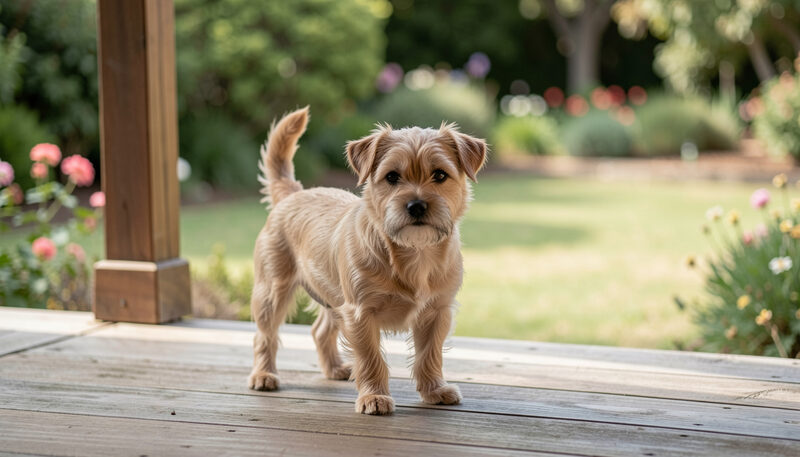
You see a small terrier at the park and wonder if that size fits your place. The listing for this breed gives you four numbers to start with, and shows where to look for personality, history and grooming details.
This guide walks through those numbers in plain terms for Australian homes and rentals. You will learn what the height, weight, life expectancy and popularity rank suggest, and what to check next on the breed page itself.
What the listed numbers give you
The page is titled Australian Terrier Dog Breed Information. It lists height at 10-11 inches, weight at 15-20 pounds and life expectancy at 11-15 years. It also lists AKC breed popularity at rank 158 of 210. The page description notes that it covers personality, history, grooming, pictures, videos and the AKC breed standard. Use those headings as your next reading step when you want coat care or background notes.
How tall is 10 to 11 inches at home?
Ten to eleven inches describes height at the shoulder, not length from nose to tail. In a living room, that means a dog that moves under a coffee table without effort and sees the world from below knee level. On a couch, the dog takes a cushion corner rather than the full seat. At a front gate, the dog passes well below the latch, so gaps under fences and between palings matter more than height over the top. If you want to picture it, mark 10 inches and 11 inches on a door frame and look at that line from your couch.
What does 15 to 20 pounds mean day to day?
Fifteen to twenty pounds is a weight most adults can lift for a short carry up stairs or into a car. It still counts on a lease where a weight limit applies, and on a vet table where handling and dosing relate to body weight. A dog in this range eats less per meal than a large working breed, yet still needs a measured daily amount and fresh water throughout the day. For travel, a carrier or car restraint rated for this weight band fits better than a generic large size. If you live upstairs, test the stair carry with a bag of similar weight before you decide.
Can this size work in a rental?
Size alone does not settle a rental question. A dog at 10-11 inches and 15-20 pounds takes little floor space, and a bed in a corner can serve as its sleeping spot. Landlords and strata rules in Australia often look beyond size to noise, damage and shared areas, so read your agreement for clauses about pets, floors, yards and common stairs. You can learn how breed sheets frame these points in Breed Profiles and How to Read a Dog Breed Sheet. Take a tape measure, photos of your floors and yard, and the exact wording of the pet clause when you ask for permission in writing.
Where do voice and coat answers sit?
Many terrier owners ask first about barking and coat care. The AKC page places those answers under personality, grooming and the breed standard, with pictures and videos to show coat length and shape. Read those sections for how the organisation describes behaviour in the home and the type of coat routine shown. If you want a plain view of what an appointment covers across coats, open What a Dog Grooming Appointment Includes Across Coats. Write down the brushing, trimming and bathing steps shown there and compare them with the grooming notes on the breed page.
How long is 11 to 15 years in practice?
Eleven to fifteen years is a full span of school, moves and job changes. A puppy that arrives when you rent a unit may still live with you when you move to a house with a yard. Vet visits, feeding costs and daily walks continue across that whole period, through hot summers and wet winters. Think in blocks of five years and ask where you will live, who feeds and walks the dog when you work late, and who cares for the dog on holidays. The middle of that range still means daily time outside, training refreshers and health checks year after year. For first-time owners, New Dog Owner Questions Answered for Australian Homes helps you list those weekly tasks.
What does rank 158 of 210 tell you?
Rank 158 of 210 places the breed in the lower half of the AKC popularity list. That rank counts registrations and interest in that system, not quality or health. A lower rank often means fewer litters per year in that system, fewer nearby breeders, and longer waits for a puppy. It can also mean fewer owners near you with direct experience of the breed. You can find context for this small terrier in the Australian Terrier breed information page, which keeps the full set of sections in one place. Note the rank, then look for local clubs and rescue groups that know the breed in your state.
How to read history and grooming notes
History notes explain where a breed worked and why its body looks the way it does. Read them for context, not as a promise about how a single dog acts in a unit or on a lead. Grooming notes show coat care, and pictures and videos show how the coat lies after care. Look at ears, feet and tail outline in the photos, then read the written breed standard for the exact wording the organisation uses. The AKC page does not publish the group placement in the visible listing. Keep your focus on the sections the page does show and take questions about trimming intervals and tools to a groomer who has handled the breed.
What to check before you call a breeder or rescue
Start with your home limits. Measure door gaps, balcony rails, fence bases and the space for a crate, bed and water bowl away from direct sun. Confirm the pet policy, bond terms, and rules for common areas if you rent or live in strata. Then match those limits with the listed height, weight and life span, and read the personality and grooming sections for daily life details. Ask a breeder or rescue about age, health checks, toilet routine, lead manners and alone time, and ask what support follows after pickup. Bring your measurements, your schedule and your questions on one page.