Everyday Life Beach and Services
What Grooming Includes
Book a grooming visit with bathing, drying, clipping and nail care, and learn how coat type sets frequency, handling and skin checks in salons today.
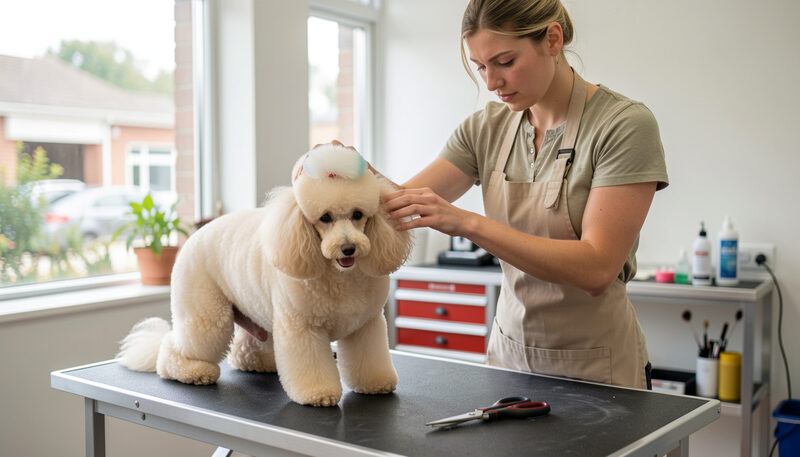
You book a grooming appointment for a wash, a cut, nail trimming and ear cleaning because you want your dog clean, tidy and comfortable at home. The Dogs Trust advice page does not publish wash, trim, nail or ear care schedules by coat type.
What it does publish is help on training, behaviour, life with your dog, health and wellbeing, puppies and getting a dog. You can use those ideas to prepare for the visit, to read your dog on the day and to follow up at home.
What a grooming appointment usually covers
When owners talk about a grooming appointment, they often mean four parts in one booking. A wash means cleaning the coat and skin. A cut means shaping or shortening the coat. Nail trimming means shortening the claws. Ear cleaning means checking and cleaning the outer ear. How those four parts are done varies from dog to dog, and you need to ask the groomer what is included, what order is used and what you should bring.
Why training shapes the whole visit
Dogs Trust describes training as fun and as a way to build a lifelong bond. You can see that bond at work in the grooming room. A dog that can stand calmly, accept handling of paws and ears, and go to a mat on cue is easier to wash and trim. You can practise those small moments at home with short sessions, calm praise and pauses. If handling is new for your dog, keep the practice brief and finish while your dog is still relaxed.
How does your dog see the grooming table?
Dogs Trust has a section on understanding your dog and how dogs view the world. Try to use that view before you go. A table, a raised bath, running water, a dryer and close handling can feel strange if your dog has not met them before. Let your dog sniff the equipment while it is switched off. Touch the collar, shoulders, feet and ears in the same calm way each time. Watch for lip licking, yawning, turning away or freezing, then give your dog space and try again later.
What barking can tell you in the waiting room
Dogs Trust lists advice on barking, with causes, triggers and ways to help. The waiting room has many triggers at once, including other dogs, new smells, sliding doors and dryers behind a wall. Notice what sets off your dog. Is it greeting, worry, excitement or sound? Stand aside, keep the lead loose, reward quiet attention and ask for distance where you can. Your notes on causes and triggers will help the groomer plan a calmer start. You can also read about Are Dog Parks Good for Dogs and How to Judge Play to practise reading arousal around other dogs.
Why do some dogs jump up on people?
Dogs Trust lists guidance on how to stop a dog jumping up at people. Grooming rooms invite jumping because people bend over dogs, use warm voices and hold tasty rewards. Decide what you want instead. Four paws on the floor or on a mat give your dog a clear job. Reward that choice at home, at the door and at the salon desk so the rule stays the same everywhere. If you want background on training cues and calm greetings, help and advice from experts explains training, behaviour and enrichment in one place.
What if your puppy is going for the first time?
Dogs Trust has a whole section on puppies with what you need to know about a new puppy. A first grooming visit works well as a short and positive introduction rather than a long session. Book at a quiet time, bring the usual food rewards and ask for a brief meet and greet, a chance to touch the tools and a short bath only if your puppy stays relaxed. Between visits, you can build the toilet routine, crate rest and lead walks so the puppy arrives pleasantly tired rather than overtired. For the home routine, see puppy training basics from toilet routine to lead walks.
How do worry and reactivity appear at appointments?
Dogs Trust lists separation anxiety with signs and causes, and reactive dogs with why reactivity happens and how to help. Both can appear in a grooming salon. Some dogs pant, drool, pace or vocalise when left in a holding area. Some lunge or bark at dogs passing close by in a narrow hall. Tell the groomer what your dog does at home when left alone, what distance helps and what handling has been difficult before. Ask how dogs are housed between steps, how long each step lasts and where you will wait.
What does daily life have to do with coat care?
Dogs Trust frames life with your dog as keeping daily life positive and joyful. Coat care fits into that rhythm. Mud after rain, sand after the beach, burrs after a walk and food around the mouth all affect how often you brush between appointments. Look at your week and where dirt builds up. A short brush after walks, a check of the feet and a dry rest spot keep the next wash simpler. For ideas on fitting care into outings and home routines, see everyday dog life with beaches day care and grooming.
How do health, heat and toilet habits fit around the visit?
Dogs Trust groups health and wellbeing as keeping a dog healthy and happy, and lists care during hot weather. Plan the appointment time with heat in mind and carry water for the trip. Mention skin redness, scratching, ear odour, head shaking, limping or changes in appetite before the wash starts, since water and handling can irritate sore skin or sore ears. Dogs Trust also has help for dogs peeing or pooing in the house. Give your dog a toilet stop before you enter and keep the morning schedule normal so excitement does not cause an accident indoors. For the home schedule, see how to toilet train a puppy with a simple schedule.
Getting a dog is its own Dogs Trust section, and new owners often book grooming early. Bring vaccination details if asked, bring a list of what your dog eats and note any past handling problems. After the visit, watch how your dog moves, shakes its head and settles to sleep. Write down two questions for the next booking and one thing that worked well to tell the groomer then.