Everyday Life Beach and Services
What a Dog Day Care Does
See what happens in a dog day care day from play groups and rest to feeding and cleaning, and compare staff ratios, safety checks and contracts today.
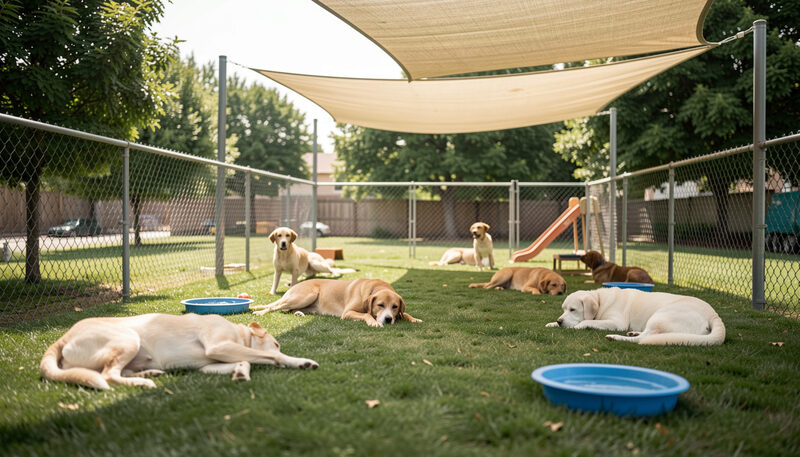
A good day-care day feels predictable for your dog and easy for you to follow. You should be able to picture where your dog rests, how play is broken up, who watches the floor, and how the centre checks health and behaviour before trouble starts.
This guide walks through routine, staffing, safety checks, and how to choose between day care, boarding, and a sitter at home. It draws on the pet health and pet product guides kept by CHOICE and the training and wellbeing advice grouped by Dogs Trust, applied to what you can ask and watch on a visit in Australia.
What a day-care day looks like from drop-off to pick-up
Ask the centre to talk you through the day in order. You want to hear about arrival and a short check of mood, toilet needs, and any sore spots, then a settling period before play. Play should run in blocks with breaks for water, toilet, and rest, not as one long free run. Puppies need extra toilet trips and naps, older dogs need a quiet corner, and dogs that get overexcited need a pause before arousal turns to barking or mounting. A clear rhythm explains why your dog comes home tired but still able to settle, eat, and sleep through the evening.
In a male dog the same arousal can show as a brief erection, which is usually harmless and passes once he settles. Good staff know when a dog erection is normal and when it needs a vet, and you can ask the centre to tell you if it ever stays out or looks sore.
How are dogs matched for play?
Watch how the team sorts dogs by size, age, and play style rather than by breed alone. A young kelpie that chases, a terrier that wrestles, and a retired greyhound that prefers a slow loop do not want the same game. Staff should describe how they introduce a new dog, how they split a group that gets too loud, and where a shy dog can move away. If you have spent time judging play at the park, bring the same eye described in Are Dog Parks Good for Dogs and How to Judge Play: loose bodies, turn-taking and easy recalls, and ask how floor staff interrupt and reset when play starts to tip over.
What staffing looks like when it works
You cannot judge care from a brochure, so watch the floor. You want to see staff inside the group, facing the dogs, scanning and moving early, not clustered at the gate with a hose. Ask who is present all day, who covers breaks, and how new handlers learn the centre rules for feeding, medication, and handling collars and leads. Good teams can name the dogs, know which ones guard water bowls or doorways, and can tell you why constant supervision matters. Dogs move fast, and a scuffle, a swallowed toy piece, or a fence rush needs a person close enough to step in calmly.
Which safety checks can you see with your own eyes?
Walk the space slowly. Fences should be high, smooth and without gaps at the base, and gates should latch and need a hand to open, while play zones should have a double entry so no dog slips out at drop-off. Floors should be clean, dry where dogs rest and free of sharp edges, while water bowls should be full and shaded. Ask how toys are chosen and rotated, how bedding is washed, and how the team manages parasites, wounds, and dogs that arrive coughing or itchy. CHOICE publishes guides on parasite protection, pet hair at home, and vet costs, which help you frame questions about cleaning, itching, and when a dog is sent home to see a vet.
How do centres handle rest, water and hot weather?
Heat changes everything in Australia, and rest is part of safety, not a missed game. Ask where dogs sleep midday, how the centre cools the air and the ground, and how often water is changed and checked. Dogs Trust groups advice on caring for dogs in hot weather alongside advice on health and wellbeing, and CHOICE keeps its pet health and pet product guides in the pets section at CHOICE alongside boarding and food guides. On your visit, look for shade, airflow, cool resting mats or raised beds, and a plan that moves play to cooler hours and shortens it when dogs pant hard and stop self-regulating.
What a calm drop-off and pick-up tells you
Notice how the door is managed. Staff should greet your dog by name, read body language, and lead the dog in without dragging or a long farewell at the gate. A short, neutral goodbye helps prevent separation strain, and a clear handover at pick-up helps you learn what happened. Ask what report you get: toilet, meals, rest, play notes, any barking, jumping, or house soiling signals, and what they suggest you practise at home. Centres that note toileting patterns fit well with a home plan like How to Toilet Train a Puppy With a Simple Schedule, because day and night routines stay consistent for young dogs.
How does day care compare with boarding and at-home sitters?
Day care suits dogs that enjoy short social blocks and then sleep at home. Boarding suits periods of travel and longer absences, and a sitter at home suits dogs that get stressed by transport or in kennels. The CHOICE Pets page does not publish day care fees or staff ratios. CHOICE does list a guide on pet boarding and in-home pet sitters, plus pieces on scams, unexpected costs of owning a pet, and food safety campaigns, so use those headings to build your own checklist. Ask each option the same questions about night supervision, vet transport, feeding exactly as you instruct, and who decides that your dog needs veterinary care.
What training ideas shape the day
Ask what the team rewards and what the team stops. You want to hear about calm greetings, recall away from play, waiting at gates, and settling on a mat, taught with food, play, and rest, not with shouting or long isolation. Dogs Trust organises its guidance around training, understanding your dog, life with your dog, and your puppy, with separate guides on barking causes and triggers, jumping up at people, toileting in the house, separation anxiety, and reactive dogs. A centre that speaks that language can tell you which dogs your dog plays with, what cue helped your dog settle, and what to repeat on lead walks and at home.
What health details to sort before the first day
Bring a short written sheet with food amounts, treat limits, known allergies, parasite prevention date, vaccination record, vet phone, and two contacts. Mention guarding, noise fear, car sickness, or a recent illness, and pack the same food your dog eats at home so the stomach stays steady. Ask how the centre stores food, how it avoids mix-ups at mealtimes, and how it logs stools, vomiting, limps, or skin changes during the day. For the wider week of beach walks, grooming, and rest days around care days, the hub at Everyday Dog Life With Beaches Day Care and Grooming helps you keep exercise, washing, and sleep in balance.
Book a short trial, stay for fifteen minutes at drop-off, and return a little early. Watch the gate, the water, the rest area, and the way staff call your dog, then ask for two things to practise before the next visit.