Everyday Life Beach and Services
Taking a Dog to the Beach
Plan safe beach trips with dogs using shade, fresh water and lead rules, and watch for salt water, hot sand, rips and local council limits today.
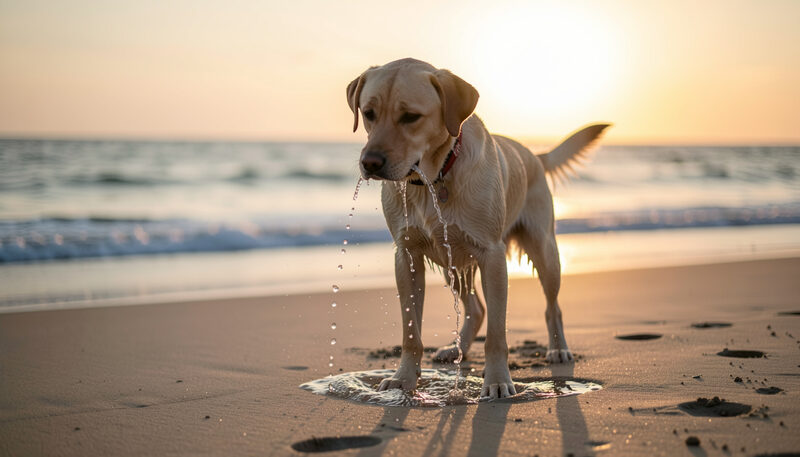
You learn how to read the signs at the entry, how heat and salt water affect your dog, and what to carry so a beach outing stays calm from car park to rinse off. Most beach trouble comes from simple gaps: no shade, no fresh water, and weak recall around wildlife, so a little planning shapes the whole day.
A beach asks more from a dog than a park. The ground shifts underfoot, scents drift on the wind, gulls lift, off-lead dogs cross paths, and water keeps moving. Your dog reads all of it at once. You can help by keeping distances short at first, by watching energy, thirst and skin, and by leaving early while the visit still feels easy.
Which Beaches Welcome Dogs Near You
Access changes from suburb to suburb and from season to season. Some stretches allow dogs off-lead at set hours, some ask for a lead at all times, and some close sections for wildlife or swimming crowds. The sign near the stairs or ramp sets the rule for that day. Read time panels, tide notes and maps before you unclip. If you are renting or are new to the area, the notes on Dog Friendly Beaches Around Melbourne and Lead Rules show how lead rules can shift within one walk.
Start where space is wide and exits are clear. A quiet end of the beach lets you test recall, watch how your dog passes other dogs, and move away without pressure. When the sand narrows near rocks or a creek mouth, clip on and walk through. You give your dog choice and leave room for others.
Why Do Lead Rules Change Along the Sand
The line on the sand protects more than comfort. Nesting birds, fenced dunes, surf clubs, playgrounds and boat lanes all sit close together. A dog at speed can cross those zones in seconds, even a friendly one. Leads, long lines and time limits reduce chasing, tangles and falls. They also give shy dogs a way past without a face-to-face greeting.
Teach a simple pattern you can repeat. Walk, stop, check in, reward, walk on. A short lead near paths and a longer line on open sand can both work if your hands stay soft and your cues stay the same. The lesson on Ten Basic Dog Training Commands Owners Can Teach gives you words your dog can hear over the wind and surf.
How Do You Read Heat on a Beach Day
Sand holds warmth, wind hides it, and the sun reflects off water. Your dog feels it through its paws, belly and tongue. Watch the early signs. Heavy panting, slowing down, seeking damp sand, crowding into shade, or lying down on the walk back. Dark coats warm sooner, short-nosed dogs pant less effectively, pups tire fast, and older dogs feel stairs and soft sand in their joints.
Plan around cooler hours, bring shade you control, and keep rests short and frequent. Press the back of your hand to the sand. If you pull away, choose wet-packed sand or grass, carry small dogs over hot paths, and shorten the outing. Fresh water in the shade matters more than another throw of the ball.
What Does Salt Water Do to a Thirsty Dog
Salt water does not replace drinking water. Dogs that lap at waves to quench thirst can feel sick, vomit, or develop loose stools, and repeated gulps during fetch add up. The risk rises when a dog drinks little before the trip, pants hard, or swallows water around toys. You can lower intake by offering fresh water often, by pausing play for a drink, and by using toys that stay near the surface without soaking up seawater.
Many owners look for one clear page that pulls together drinking breaks, shade and rinse habits, and the beach safety guidance for dogs sets out that routine in plain steps. Read it before you go, then adjust the pace to suit your dog, since thirst, coat and fitness differ from dog to dog.
How Do You Keep Recall Working with Waves and Gulls
Recall fades where rewards compete. A moving gull beats a dry treat. Train for the beach before the beach. Practice short recalls on a long line, reward quickly with food your dog loves, then release back to play so coming to you does not end fun. Call once, move away to invite the chase toward you, and reward at your feet before you clip on or let go again.
Manage the scene while training is still developing. Keep your distance from fishing lines, picnic rugs and oncoming dogs. If your dog locks onto birds, crabs or jellyfish shapes at the tide line, step in front, cheerfully redirect, and move to calmer ground. A lead used early keeps a small mistake from turning into a long chase.
What Should You Pack for Dogs at the Beach
Pack for thirst, sun, paws and the ride home. A beach bag for a dog comes down to simple items that each solve one problem. Water and a bowl prevent drinking salt water. Shade and a mat give a rest spot. A lead plus a long line covers both zones. Bags handle droppings even on sand. A towel keeps sand out of the car.
- Fresh water in a sealed bottle plus a stable bowl that will not tip in the wind
- Lead, long line, collar with tag, and bags for droppings
- Shade cloth or umbrella, mat, and a toy that floats and stays visible
- Towel, brush for sand, and a dry blanket for the car seat
Keep food sealed and out of reach. Open packets attract gulls and other dogs. Store keys, phone, and treats in a zip pouch so sand stays out and hands stay free for the lead.
How Do You Handle Paws, Ears and Coat After Swimming
Sand, salt and plant bits collect in the paws, ears and undercoat. After the swim, walk your dog through clean water if a shower point is near, then check between toes for cuts, burrs or hot spots from warm sand. Shake ears gently, wipe folds, and look for head shaking or scratching later in the day. Long coats mat fast when salt dries, so rinse, squeeze without wringing, and brush once dry.
Grooming needs shift with coat type. A short, smooth coat may need only a rinse and a towel, while a thick double coat holds sand near the skin. The notes on What a Dog Grooming Appointment Includes Across Coats explain how the wash, dry and brush steps vary by coat, which helps you plan the home rinse before tangles set.
What About Other People, Kids and Dogs
A beach mixes play styles. Some dogs wrestle, some fetch alone, some fear rushing greeters. Give families and swimmers a wide berth, call your dog past picnics, and pause games when the path fills. Watch body language more than noise. Loose, wiggly movement invites play, while a stiff stance, hard stare, tucked tail or lip licking asks for space.
Greetings work best side by side and short. Three seconds, then move on with a treat or a toy. If play tips into pinning, snapping or non-stop chasing, clip on the lead calmly and take a break in the shade. Pups, small dogs and older dogs tire sooner in soft sand, so end their hellos early and let them watch from the mat.
When Should You Cut the Visit Short
Good outings end before trouble starts. Leave while your dog still responds, drinks and trots. Cut the visit if panting stays heavy in the shade, if stools turn loose, if vomiting starts, if paws look sore, if your dog drinks seawater again and again, or if recall slips near roads, cliffs or boat traffic. Heat illness, cuts and stings need prompt care, and snakes can rest near dunes and paths in warm months, a risk described on Snakebite Risk for Dogs in Australia and Fast Response.
Rinse the gear, tip the sand from the bowl, hang the towel by the door, and keep the lead where you can grab it for next time.